
Soviet Bardic Music, often referred to simply as “bard music,” emerged in the mid-20th century as a distinctive genre within the broader landscape of Soviet culture. It encapsulates a unique blend of poetic lyrics, simple melodies, and acoustic guitar accompaniment, echoing the sentiments of the people during a time marked by political repression, social change, and a yearning for personal expression. This genre is characterized by its grassroots origins and a focus on themes such as love, friendship, nature, and the struggles of everyday life.
History
The roots of bard music can be traced back to the late 1950s and early 1960s, a period marked by the thawing of cultural repression following the death of Joseph Stalin in 1953. This era, known as the Khrushchev Thaw, encouraged a greater degree of artistic freedom, allowing for the emergence of new forms of expression that resonated with the youth and intellectual circles of the Soviet Union. Bard music was heavily influenced by the Russian poetic tradition, with its lyrics often reflecting a deep sense of personal introspection and social commentary.
Prominent figures
Prominent figures in the bard movement include Vladimir Vysotsky, Bulat Okudzhava, and Yevgeny Kliachin, among others. Vysotsky, in particular, became an icon of Soviet bard music. His songs, filled with emotional intensity and sharp social critique, resonated deeply with the public. He used his music to address issues such as human rights, the absurdities of Soviet life, and the struggles of the individual against oppressive systems. Vysotsky’s lyrics were often poetic and evocative, combining elements of storytelling with profound philosophical reflections.
Features of bard music
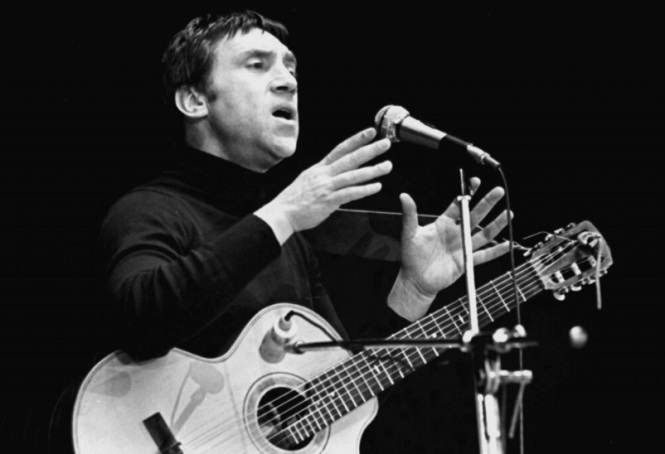
Bard music is typically performed in an informal setting, often in small gatherings or concerts known as “bard evenings,” where musicians would share their songs with friends and acquaintances. These performances fostered a sense of community and solidarity among participants, as listeners often engaged in sing-alongs, creating a collective experience centered around the music and the shared emotions it evoked. The simple, accessible style of bard music made it a popular form of entertainment in homes, parks, and cafes, further embedding it into the fabric of Soviet culture.
The instrumentation of bard music is generally straightforward, predominantly featuring the acoustic guitar as the primary instrument. The use of guitar allowed for an intimate sound that complemented the personal and reflective nature of the lyrics. The melodies, often simple and repetitive, encouraged participation and made the music easy to learn and share among listeners. This simplicity was not just a practical choice; it also symbolized a rejection of the grandiosity associated with official Soviet art forms, emphasizing instead the authenticity of individual expression.
Lyrically, bard music addresses a wide range of themes. While love and nature are common subjects, many songs also touch on social issues, existential questions, and the struggles faced by individuals within the Soviet system. The poignancy and depth of the lyrics often conveyed a sense of longing for freedom, authenticity, and connection, making them resonate with audiences who felt constrained by the political climate of the time. This focus on personal experience and social commentary helped bard music gain a reputation as a voice of dissent, subtly challenging the status quo and offering a glimpse of the human experience beneath the surface of official Soviet narratives.
Despite its grassroots nature, bard music faced its share of challenges and censorship from the Soviet authorities. Many performers found themselves under scrutiny for their lyrics, which could be interpreted as critical of the government or reflective of discontent with the regime. As a result, bard musicians often had to navigate a delicate balance between artistic expression and political repression. Some artists faced harassment, while others were forced to perform clandestinely, creating a culture of resistance and solidarity among those involved in the bard movement.
The influence of bard music extended beyond the Soviet Union, with its themes of personal freedom and social critique resonating with listeners in various countries. The genre inspired a wave of similar movements in Eastern Europe, where artists sought to express their own experiences and frustrations through music. In the years following the collapse of the Soviet Union in 1991, bard music continued to evolve, incorporating new styles and influences while retaining its core themes of personal expression and social commentary.
Today, Soviet Bardic Music is recognized as a significant cultural phenomenon that captured the essence of a generation’s hopes, struggles, and desires for authenticity in a time of repression. The songs of Vysotsky, Okudzhava, and their contemporaries continue to resonate with audiences, their lyrics remaining relevant as they reflect universal themes of love, loss, and the human experience. Bard music remains a testament to the enduring power of art as a means of expression, connection, and resistance, illustrating how music can transcend political barriers and speak to the heart of the human condition.


